Why Aussies Are Quietly Ditching Their 3pm Chocolate Bar (And What They're Eating Instead)
Contributors

Breaking News



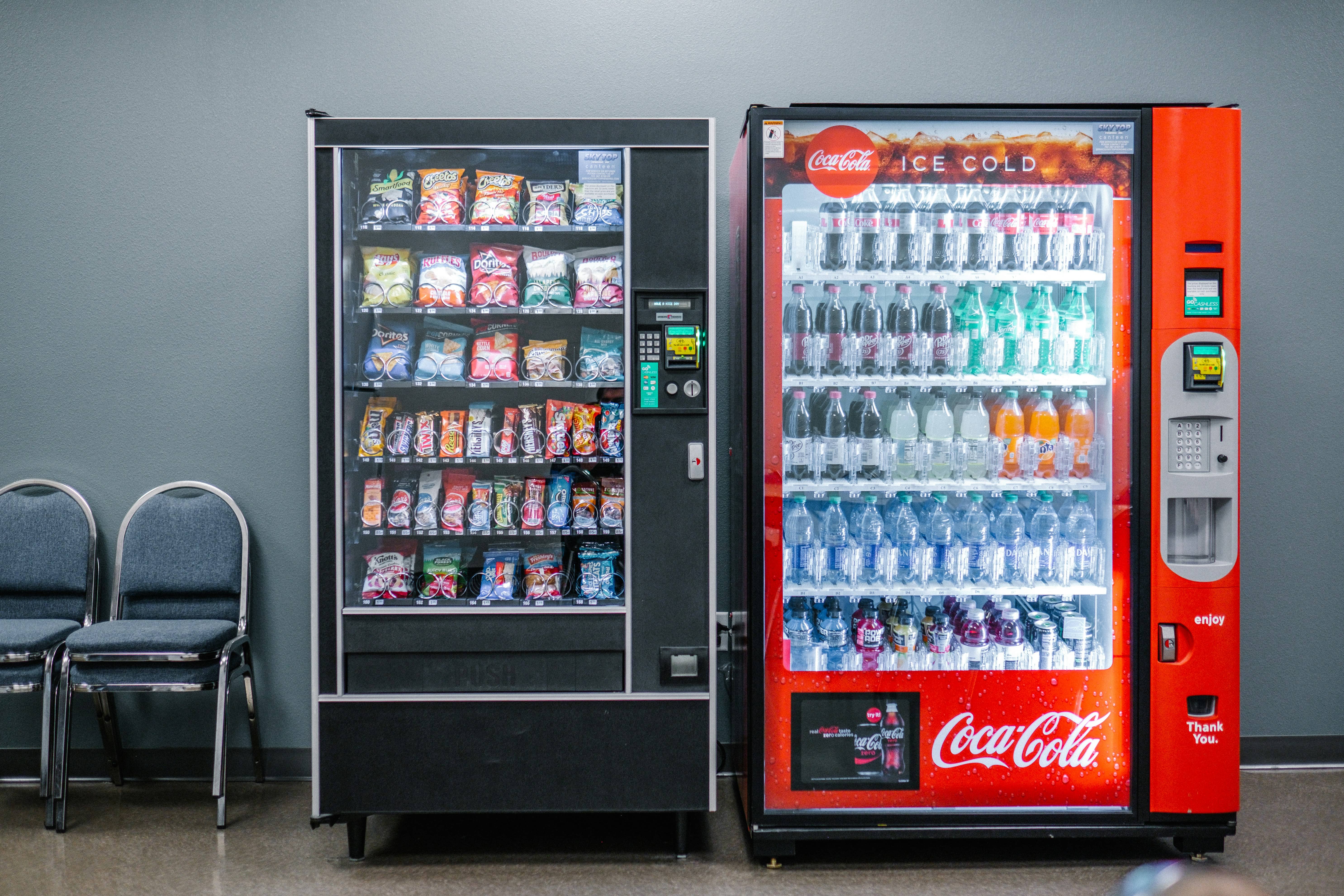
There's a moment in every working day when the wheels start to wobble. Somewhere between lunch and knock-off, the energy dips, the focus fades, and the vending machine starts to look like a very reasonable decision. For years, that moment has been solved with a chocolate bar, a packet of biscuits, or whatever sweet thing happens to be lurking in the office kitchen. But a quiet shift is happening in how Australians snack, and it has nothing to do with deprivation.
People aren't giving up sweet treats. They're just getting pickier about them.
The Problem With "Old-School" Sugary Snacks
The classic servo snack, the supermarket chocolate bar, the biscuit tin in the pantry, was designed for a very different era. Back then, a hit of sugar to get you through the afternoon felt like a reward. Today, most of us understand what happens next. A sharp energy spike, a sharper crash, and a hunger signal an hour later that sends us right back to the pantry.
The numbers don't help either. A typical chocolate biscuit can carry 12 to 15 grams of sugar and barely 2 grams of protein. Multiply that by a daily habit and it starts to explain the 3pm fog, the patchy sleep, and the mysterious tightness of last year's jeans.
The issue isn't that we love a sweet snack. Sweet snacks have been part of Australian life for generations, and there's nothing wrong with that. The issue is that the traditional version of the sweet snack hasn't really evolved, even though our understanding of nutrition has.
The Rise Of The "Smarter Treat"
Walk into any supermarket, gym, or independent grocer in 2026 and you'll notice something. The snack aisle looks different. Alongside the old favourites there's a newer category emerging, treats that taste like treats but actually carry some nutritional weight. High-protein yoghurts. Nut-based bars. Bite-sized bliss balls. And most interestingly, a new generation of cookies designed to do more than just taste good.
This isn't the old "health food" category of the 90s, full of cardboard-flavoured bars promising virtue and delivering sawdust. This is something more honest. It's food that acknowledges we want pleasure and performance, and doesn't ask us to choose.
The best of these new-wave snacks share a few things in common. They lead with real ingredients instead of chemical substitutes. They bring protein into the conversation, because protein is what keeps you full, supports muscle repair, and stabilises energy. And crucially, they don't taste like a compromise.
What Actually Makes A Snack "Smart"
If you're trying to upgrade your afternoon snack, it helps to know what to look for. A good rule of thumb is to check three things on the back of the pack.
First, look at the protein figure. A snack that delivers 15 grams of protein or more will keep you fuller for longer and slow the sugar absorption, so you avoid that familiar crash. Second, look at the sugar figure. You don't need zero sugar, you just want a reasonable number, ideally well below what a standard biscuit or chocolate bar carries. Third, scan the ingredient list. If it reads like a chemistry experiment, put it back. If it reads like something you'd recognise from a home kitchen, you're on the right track.
Then there's the texture test, which most people don't think about until they've been burned a few times. Too many "healthy" snacks taste rubbery, chalky, or oddly artificial, the telltale sign that protein has been added without much thought to the eating experience. A snack you don't actually enjoy is a snack you won't stick with, and the whole point of upgrading your afternoon habit is that it has to be sustainable.
Why Cookies Are Having A Moment
Of all the snack categories having a glow-up, cookies might be the most interesting one. They're familiar, comforting, and portable, all of which makes them a natural vehicle for better nutrition. And Australian bakers have been quietly leading the charge.
Sydney-based bakery Cookie Man, which has been baking since 1958, is a good example of how heritage food brands are reinventing themselves for the way we eat now. Using over 95 percent Australian ingredients and baking in Sydney, they've taken their classic cookie recipes and re-engineered them for the fitness-focused sweet tooth. Their protein cookies deliver 21 grams of protein per cookie, cut sugar by up to 40 percent compared with a traditional biscuit, and come with loaded centres like peanut butter, choc hazelnut, and salted caramel. No artificial colours, no artificial flavours, and, importantly, no rubbery protein-bar texture. You get crispy edges and a chewy soft core, the way a cookie is supposed to feel.
That last part matters. The reason people fail to stick with "healthier" snacks is almost always the same. The food doesn't deliver on pleasure. Fixing the macros is only half the job. The other half is making sure the snack still feels like a treat, because a snack that feels like homework is a snack you'll quietly give up on by week three.
How To Build A Smarter Snack Habit
Upgrading your snacking doesn't require an overhaul. Start with one swap. Pick the snack you reach for most often, the 3pm biscuit, the post-gym sugar hit, the Friday afternoon chocolate, and replace just that one. Keep the new option visible and easy to grab. Snacking is mostly about convenience, so whatever's closest to hand tends to win.
Pair your snack with water or a cup of tea rather than another coffee, which can deepen the energy crash. And pay attention to how you feel 45 minutes later. A good snack leaves you settled and focused. A bad one leaves you foraging for a second round.
The goal isn't to turn every snack into a nutrition lecture. It's to make the default choice a slightly better one, so that when you do reach for something sweet, it's actually working for you rather than against you.
You don't have to give up the biscuit. You just have to find a better biscuit.