Pallet Racking Safety Inspections: A Sydney Warehouse Owner's Guide to Staying Compliant
Contributors

Breaking News


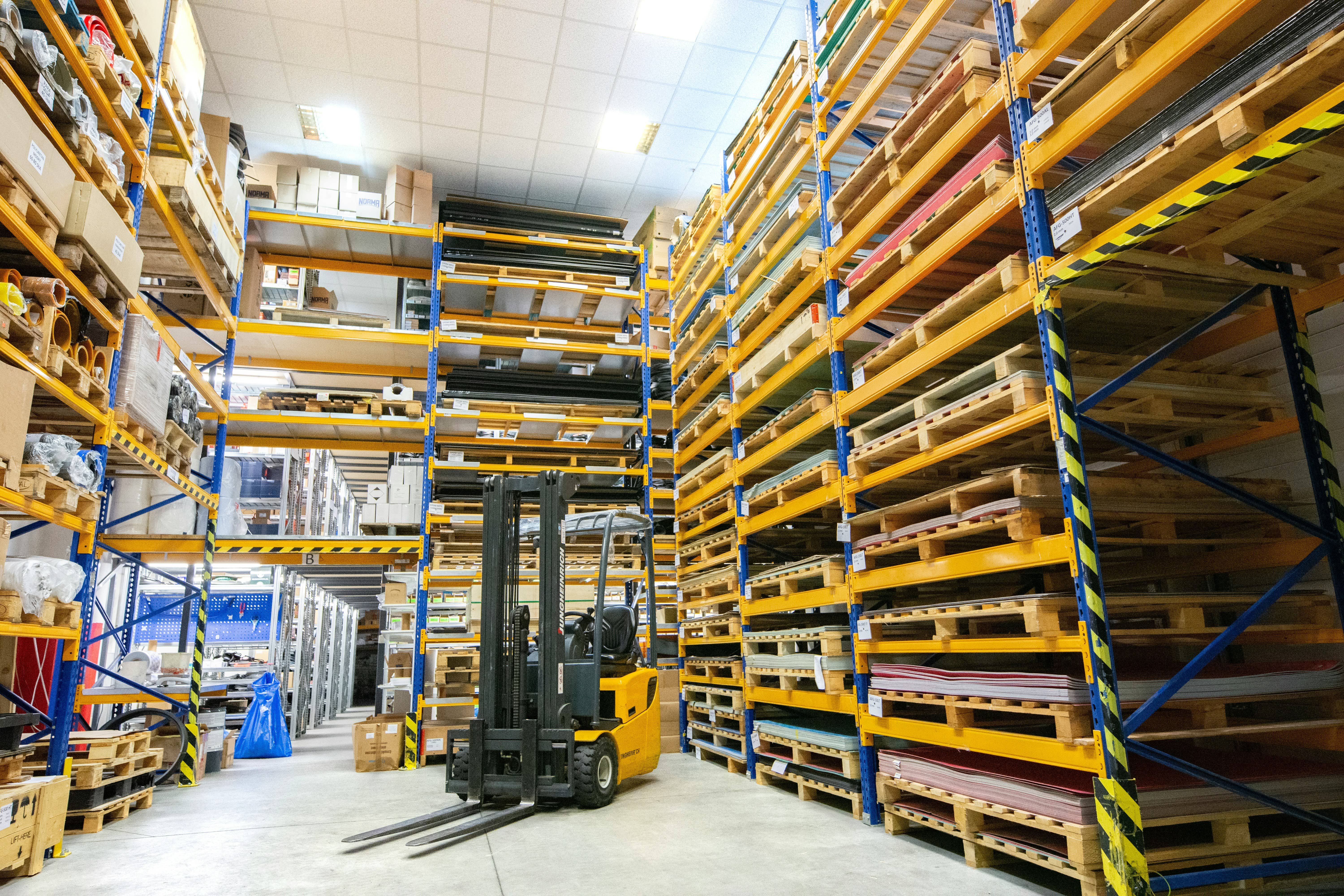
Walk through almost any warehouse in Sydney, from the tight industrial units of Alexandria and Marrickville to the large distribution centres out at Eastern Creek, Smithfield, and Wetherill Park, and you will find pallet racking doing the heavy lifting. It holds tonnes of stock metres above the heads of the people working below it, and it takes knocks from forklifts every single day. Most of the time it does its job without complaint, which is exactly why it is so easy to stop paying attention to it.
That is the trap. Racking damage is cumulative and often invisible until the moment it fails, and a collapse can injure staff, destroy stock, and shut an operation down overnight. A regular safety inspection is the simplest, cheapest way to catch problems before they become disasters. This guide explains what a pallet racking safety inspection involves, what the current Australian Standard requires of Sydney businesses, and how to make sure yours actually protects your team.
What a Pallet Racking Safety Inspection Actually Is
A pallet racking safety inspection is a structured assessment of your storage system's condition, carried out to confirm it is still safe to use and compliant with Australian Standards. It is not a quick glance down the aisle. A proper inspection examines every part of the system that carries or transfers load, including beams, uprights, base plates, floor anchors, bracing, and safety clips, and measures them against defined tolerances.
The output is a written report. It documents any damage, notes exactly where it is and how serious it is, flags anything that no longer meets the standard, and sets out the specific repairs or replacements needed to fix it. Once the recommended works are complete, a compliant system can be issued with a Certificate of Compliance, which is the document you want on file if a regulator or insurer ever comes asking.
Why AS 4084:2023 Made Annual Inspections Non-Negotiable
Every adjustable steel storage racking system in Australia falls under AS 4084, and the standard was significantly updated in 2023. The most important change for warehouse operators is simple: a formal inspection by a competent person is now mandatory at least once every 12 months. Internal walk-throughs by staff are still valuable, but they no longer satisfy the standard on their own.
A "competent person" is someone with the training, qualifications, and experience to properly assess a racking system. The point of the requirement is independence and expertise. A competent inspector uses calibrated tools to check whether racking is plumb and within vertical tolerance, and knows how to spot the early-stage damage that an untrained eye misses.
It is worth knowing where AS 4084 sits legally. The standard itself is voluntary, but Work Health and Safety law requires you to provide a safe workplace, and SafeWork NSW and other regulators treat AS 4084 as the accepted benchmark for racking safety. In practice, if something goes wrong, compliance with the standard is one of the first things assessed. Meeting it is far less about ticking a box than about being able to show you took reasonable care.
What's Inside a Safety Inspection Report
A good inspection report gives you a clear, plain-language picture of your system's health. Expect it to cover the following areas.
- Damage assessment: Impacted, bent, cracked, rusted, or corroded components, each recorded with its location, the brand of racking, and measurements so replacements can be sourced accurately.
- Installation review: Confirmation that the system is correctly assembled and securely bolted to the floor in line with AS 4084:2023, including a check on floor anchors.
- Signage check: A review of your Safe Working Load signs to make sure they are present, correct, legible, and displaying the right load information for each system.
- Beam clips and beams: The condition and security of beam clips and connectors, noting any that are missing or wrongly installed, along with any beams that are deflecting or damaged.
- Loading practices: Observations on how the racking is being used day to day, including any signs of overloading or misuse that could compromise safety.
- Non-compliance identification: Any areas where the system falls short of AS 4084, clearly identified so you know exactly what needs to change.
- Actionable recommendations: Practical next steps for repairs, replacements, or works needed to restore full compliance.
The Traffic Light System: Green, Amber, Red
One of the most useful additions in the 2023 standard is a formal damage classification system that uses a green, amber, and red traffic light model. It gives everyone, from your warehouse manager to your inspector, a shared language for how urgent a problem is.
Green damage is acceptable. The racking can stay in service, though the damage should be recorded and watched during routine checks in case it worsens. Amber damage is hazardous and needs to be repaired or replaced within four weeks, with reduced loading or restricted access in the meantime. Red damage is very serious: the affected bays must be offloaded immediately and barricaded until they are repaired, because they carry a real risk of structural failure. Knowing which category a fault falls into removes the guesswork and helps you prioritise sensibly.
How Often Should Sydney Warehouses Inspect?
The 12-month formal inspection is the legal floor, not the whole picture. AS 4084:2023 also expects a layered approach. A designated staff member should carry out interim checks every three to six months, and trained warehouse staff should be doing quick informal checks daily or weekly, looking for the obvious warning signs: missing safety clips, beams that look overloaded, fresh forklift damage, and obstructed aisles.
The busier your operation, the more this matters. A high-throughput Sydney distribution centre with heavy forklift traffic accumulates damage faster than a quiet storeroom, so the interval between meaningful checks should reflect how hard the racking is actually working.
The Insurance Angle Most Operators Miss
Here is the consequence that catches businesses off guard. Skipping your annual inspection does not just create a safety risk, it can undermine your insurance. Failure to maintain compliance with AS 4084 can jeopardise cover across Workers' Compensation, Public Liability, and Professional Indemnity policies. If an incident occurs on non-compliant racking and you cannot demonstrate that it was inspected and maintained to the standard, you may find yourself exposed at the worst possible moment, facing the cost of the incident, the downtime, and potential regulatory action all at once.
Viewed that way, an annual inspection is cheap insurance in its own right. It is a small, predictable cost that protects against a large, unpredictable one.
Why Local Sydney Expertise Matters
Sydney warehouses have their own quirks. Coastal humidity in suburbs closer to the harbour can accelerate corrosion, older industrial buildings often have uneven floors or height restrictions, and different sites run different racking brands and forklift types. An inspector who understands local conditions and knows what to look for will give you a more useful report than a generic checklist ever could.
This is where working with a specialist earns its keep. A team that carries out pallet racking safety inspections across Sydney warehouses every week can assess your system against the current standard, identify exactly what needs attention, and issue the documentation you need to stay compliant. Just as importantly, they can tell you what is genuinely urgent and what can wait, so you spend your maintenance budget where it counts.
A Pre-Inspection Checklist
Use this shortlist to get the most out of your next inspection:
- When was your last formal inspection by a competent person, and is it within the past 12 months?
- Are Safe Working Load signs present, legible, and correct on every system?
- Have staff been reporting forklift knocks and visible damage as they happen?
- Are your aisles clear and your racking loaded within its rated limits?
- Do you keep written records of past inspections, damage, and repairs on file?
- If damage is found, can you action amber repairs within four weeks and red repairs immediately?
If any of those answers is unclear, that is precisely the gap an inspection is designed to close.
The Bottom Line
Pallet racking is one of the hardest-working and most overlooked assets in any Sydney warehouse. It carries enormous loads, absorbs daily punishment, and rarely gives much warning before it fails. A regular safety inspection turns that uncertainty into a clear, documented picture of your system's condition and your obligations under AS 4084:2023. It protects your people, safeguards your stock, keeps your insurance intact, and gives you a Certificate of Compliance to prove it. For the modest cost and minimal disruption involved, few investments in a warehouse pay back so reliably.