Build Up or Move On? A Western Sydney Guide to the Second-Storey Decision
Contributors

Breaking News

Every growing family in Western Sydney eventually hits the same wall. The kids need their own rooms, someone has claimed the dining table as a permanent desk, and the house that felt roomy when you bought it now feels like it shrinks a little every year. The instinct is to open a real estate app and start scrolling. Before you do, it is worth pausing on a question a lot of local homeowners never really stop to ask: do you actually need a different house, or just more of the one you already have?
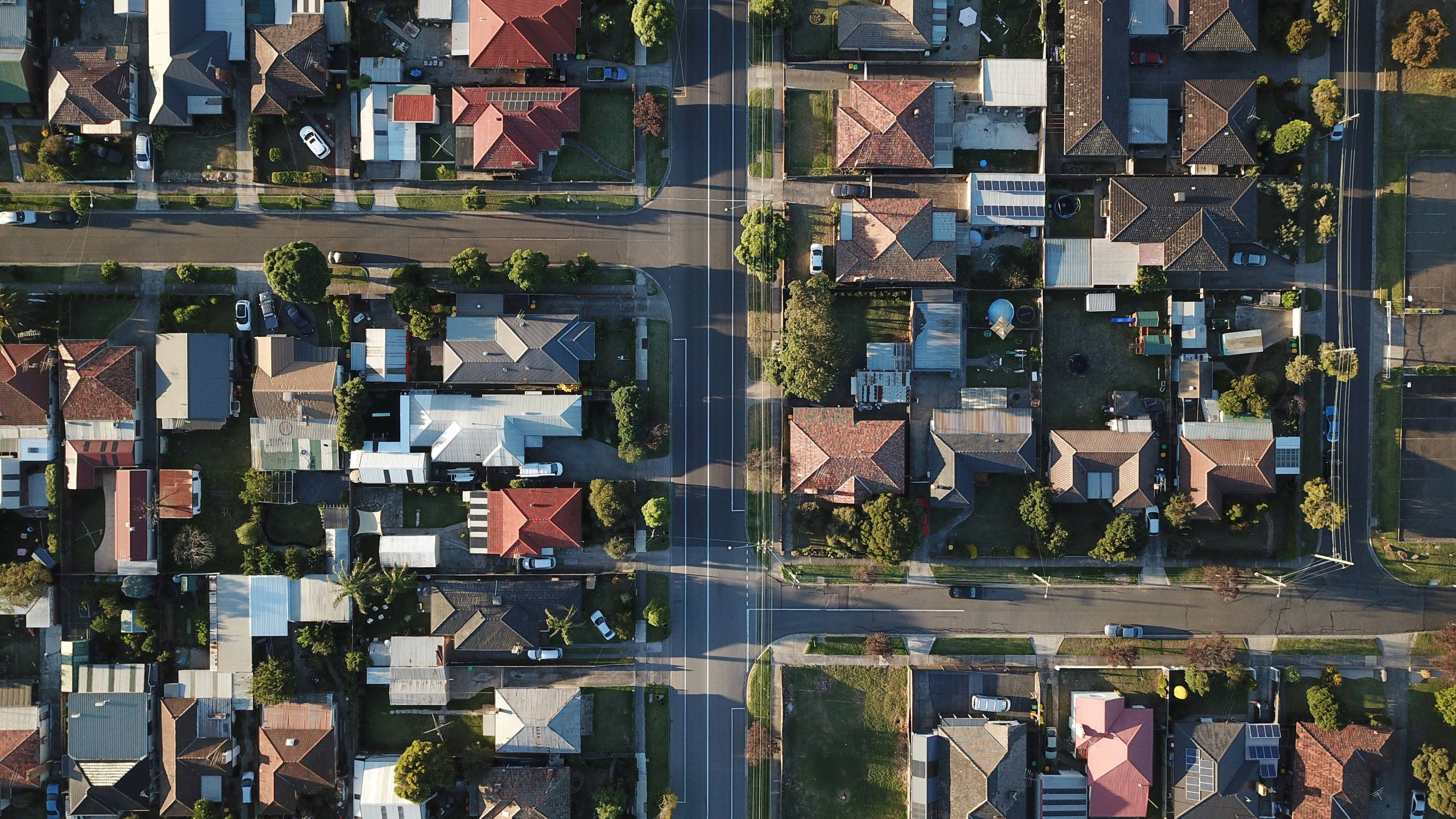
For plenty of families across Penrith, Blacktown, the Hills and the Hawkesbury, the answer turns out to be the second one. Rather than selling up and starting again, they build up, adding a second storey that roughly doubles the living space while the footprint, the yard and the address all stay exactly where they are. This guide walks through how that decision actually stacks up in Western Sydney, from the real cost of trading up to the point where building over the top makes more sense than moving on.
The Real Cost of Trading Up
On paper, moving looks simple. You sell one house, buy a bigger one, and the difference is the only number that matters. In practice, the gap between those two prices is only part of what you pay.
The costs that never make the listing
Transfer duty, still widely known as stamp duty, is the big one. On a larger family home in Western Sydney it comfortably runs into the tens of thousands of dollars, and it is money that buys you nothing but the right to complete the purchase. On top of that sit agent commission on the sale, marketing and styling to get your current home to auction, conveyancing on both ends, removalists, and the small fortune of incidental costs that come with packing up a household. Add it all together and the true cost of upgrading is often far higher than the headline price difference suggests, before a single extra bedroom has been gained.
What you give up as well as what you spend
The other cost is harder to put a figure on. Moving usually means leaving the street you know, the neighbours you wave to, and often the school catchment the kids have settled into. In a city where a good local primary or high school shapes where families choose to live, that is not a small thing. The financial cost of moving is steep, but the disruption cost, pulling children out of their routine and yourself out of a community you have invested years in, is the one people tend to underestimate.
What You Keep by Staying Put
Building up flips the equation. Instead of paying to leave everything behind, you invest that money into the home you already have and keep the parts of it that made you buy in the first place.
The block is the biggest one. Western Sydney's established suburbs are full of generous lots, and that land is exactly what makes them liveable, room for the kids, the trampoline, the veggie patch, and space to entertain. Extending outward eats into all of it. Going vertical protects it entirely. The new bedrooms, bathrooms or second living zone go up top, and the backyard, the mature trees and the landscaping you have nurtured for a decade stay untouched. You also keep the intangibles, the commute you have dialled in, the local shops, the friends around the corner and the sense of belonging that a new suburb takes years to rebuild.
Doing the Sums: Building Up vs Buying Up
This is where the decision usually gets made. A second-storey addition is a significant investment, commonly landing somewhere in the $200,000 to $400,000 range depending on the size of the new level, the finishes you choose and how much structural work the existing home needs. It is not a small number. But it needs to be measured against the true cost of the alternative, not the sticker price.
When you set a second storey beside the full cost of trading up, the stamp duty, the agent fees, the moving costs and the premium you pay to buy more space in the same area, building up frequently comes out even or ahead. The crucial difference is where the money goes. Moving costs disappear into duty and commissions the moment the deal settles. The cost of an addition goes into your own asset, adding bedrooms and floor area that lift the property's long-term value in a market where well-located family homes remain in strong demand. You are not just buying space. You are buying equity in a home you already know is in a spot people want to live.
When Building Up Makes the Most Sense
Building up is not automatically the right call for everyone, and a good builder will tell you as much. The decision tends to fall cleanly one way when a few things line up.
The signs building up is right for you
If you genuinely like where you live, if the block and the location are hard to replace, and if what you are short of is rooms rather than land, a second storey is usually the smart move. Families who are attached to their school catchment, who have already invested in the yard and the ground floor, or who simply cannot find better value elsewhere in the same area are the ones for whom building over the top makes the most sense.
When moving might still be the better answer
Occasionally it is not. If the location no longer suits your life, if you want a fundamentally different lifestyle or a smaller place to maintain, or if the existing home has issues that make major work uneconomic, selling can be the cleaner path. The honest version of this decision weighs both, and the right builder is happy to have that conversation rather than talk you into a project that does not fit.
Getting a Second Storey Right in Western Sydney
Once the decision leans toward building up, a few local realities shape the project. Because most Western Sydney homes were built as single-storey dwellings, the existing structure needs to be assessed to confirm it can carry a new level, and parts of the region sit on reactive clay soils that influence how footings and reinforcement are engineered. Every addition also needs council approval, either as a faster Complying Development where the project meets the NSW Housing Code, or through a Development Application assessed against local planning controls. And because upper levels catch far more of Western Sydney's summer heat than the ground floor does, orientation, shading and ventilation are worth getting right at the design stage.
None of this is a barrier, but it does mean the builder you choose matters more than almost any other decision. Structural work over a home you are still living in calls for genuine experience with additions rather than general construction, and local knowledge of the soil, the climate and the way each council assesses applications. Established, family-owned Western Sydney specialists such as Keystone Building, who have been designing and building second storey additions across the region since 1997, are a sensible place to start. A good builder will assess your home, confirm whether it can support a new level as it stands, and provide a detailed, fixed-price quote before you commit a cent, which is exactly the clarity you need to compare building up against moving with real numbers rather than guesses.
Making the Decision
The move-or-improve question rarely comes down to a single figure. It comes down to what you value. If the location is right, the block is worth keeping and the school run works, the smarter money is often spent building up rather than paying to walk away. Get a proper structural assessment and an itemised quote, set that against the genuine, all-in cost of trading up, and the decision usually makes itself. For a lot of Western Sydney families, the best next home turns out to be the one they are already standing in, with a whole new level on top.
Frequently Asked Questions
Is it cheaper to add a second storey or move to a bigger home in Western Sydney?
It depends on your home and your goals, but once the full cost of moving is counted, the two are often closer than people expect. A second storey typically runs in the $200,000 to $400,000 range, while trading up carries tens of thousands in stamp duty plus agent fees, conveyancing and moving costs on top of the price difference. The deciding factor is usually value: money spent on an addition stays in your own asset, whereas moving costs vanish at settlement.
Does a second-storey addition add value to a Western Sydney home?
Near-doubling the usable floor area of a well-located home is one of the more reliable ways to lift its long-term value, particularly in established suburbs where family-sized houses are in steady demand. The exact return varies with the quality of the design and build and the local market, so it is worth treating the addition as a long-term investment in equity rather than a quick flip.
How long does a second-storey addition take, and can we stay in the home during the build?
Construction commonly runs in the order of a few months from start to handover, with council approval sitting ahead of that. Because the work happens above the existing ground floor, most families are able to keep living in the home for the bulk of the project. The main exception is the roof-removal stage, when parts of the ground floor may need protecting or briefly vacating while the home is opened up and made watertight.
Do I need council approval to build up in Western Sydney?
Yes, every second-storey addition needs approval. If the project meets the NSW Housing Code it can be approved faster as a Complying Development through a council or private certifier. If it falls outside those parameters, a Development Application is lodged with your local council and assessed against controls covering height, setbacks and impact on neighbours. Identifying the right pathway early and designing to suit it avoids costly delays.
How do I know if my existing home can support a second storey?
The land is rarely the problem; the existing structure is what matters. Because most Western Sydney homes were built as single-storey dwellings, their footings and walls were not necessarily sized for a new level, so a structural engineer assesses the foundations and load-bearing walls before the design is locked in. That assessment, along with the local soil conditions, is the proper starting point and turns unknowns into firm numbers you can budget around.