How to Prepare a Sydney Property for Clearing: A Practical Guide for Landowners
Contributors

Breaking News


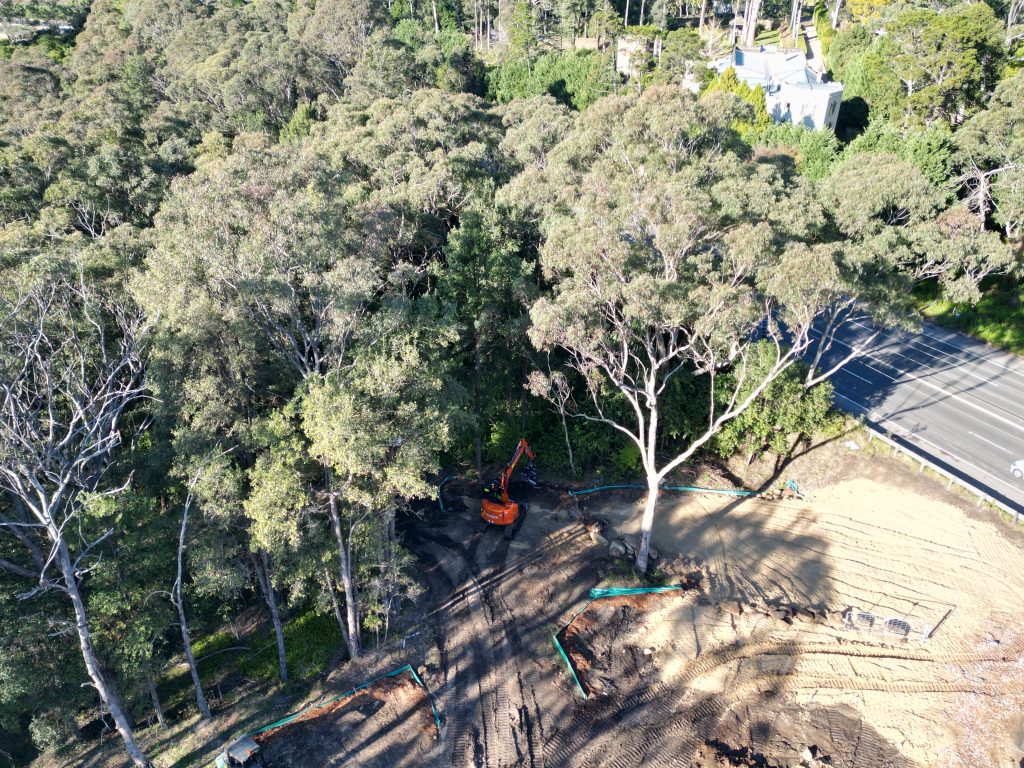
If you own a block in Sydney or the surrounding regions, there is a good chance you have looked out at a tangle of overgrown scrub, fallen limbs, dead stumps or dense bush and thought, "this has to go." Whether you are getting a site ready for a build, creating a bushfire buffer, or simply reclaiming usable space on your property, preparing for a clearing project properly can save you thousands of dollars, weeks of rework and a lot of headaches with your local council.
Sydney is not an easy place to clear land. Steep slopes, tight access on bush blocks, protected vegetation, bushfire zones and a patchwork of council rules all come into play. Here is how to set yourself up for a smooth, compliant project from the start.
Step 1: Walk your site and map out what you actually have
Before you pick up the phone or fill out a form, spend an hour walking the property with a notepad. You are looking for three things: what needs to come out, what needs to stay, and what might be a problem.
Note any large trees, dead standing timber, thick understorey, blackberry or lantana infestations, fallen logs and stumps. Mark anything close to fence lines, power lines, sheds or neighbouring properties. Take photos. A rough sketch of the block with key features pinned down makes every conversation that follows ten times easier, with council, with contractors, and with yourself when you are deciding what is worth keeping.
Step 2: Check your council and state requirements
This is where most Sydney landowners get tripped up. The rules around removing vegetation in NSW are strict, and they change depending on where your block sits.
A few things to check before a single tree comes down:
The 10/50 Vegetation Clearing Code, which applies to many bushfire-prone properties in NSW and allows you to clear trees within 10 metres, and undergrowth within 50 metres, of your home without approval. You can check your eligibility on the NSW Rural Fire Service website.
Your local council's Development Control Plan and Tree Preservation Order. Blue Mountains, Hawkesbury, Hornsby, Ku-ring-gai and many other Sydney LGAs protect native trees over a certain size, and removing one without consent can attract fines running well into five figures.
Biodiversity and threatened species listings. If your block contains endangered ecological communities, such as Cumberland Plain Woodland or Blue Mountains Swamps, extra approvals may apply under the Biodiversity Conservation Act.
If you are unsure, call your council's planning team before you do anything. A ten-minute phone call beats a stop-work order every time.
Step 3: Plan access, services and staging
Clearing is rarely just about the vegetation. It is about how you get machinery in and debris out. On narrow Blue Mountains streets or long steep driveways, access can make or break the job.
Check where trucks and tracked machinery can reasonably enter. Confirm the location of underground services through a free Before You Dig Australia search. Identify a staging area for mulching, chipping or stockpiling timber, ideally somewhere flat and away from drainage lines. If the block is on a slope, think about erosion controls and sediment fencing before any soil is exposed.
Step 4: Protect what you want to keep
Almost every property has features worth preserving: a mature eucalypt, an old retaining wall, an established garden bed, a chicken coop, a shed. Flag these clearly with marking tape or star pickets before work starts. On-site miscommunication is one of the biggest causes of regret after a clearing job, and it is almost always avoidable with a bit of planning.
Talk to your neighbours too, especially if boundary trees, shared fences or overhanging branches are involved. A quick conversation upfront is worth a hundred emails later.
Step 5: Choose the right contractor for the terrain
Sydney and the Blue Mountains are not the kind of terrain you hand to a general landscaper. Remote access, steep grades, bushfire conditions and protected species all mean the job is best handled by specialists who know the local environment and have the right equipment for it.
When you are comparing quotes, look for contractors who are council-certified, insured, and have genuine experience on similar blocks to yours. Ask what machinery they would bring in, how they handle debris (mulch on site, remove off site, or a mix), and whether they can deal with any council paperwork on your behalf. For larger or more complex jobs, an experienced land clearing team that works across Sydney and the Greater Western region will usually save you money in the long run, simply because they get it right the first time.
Step 6: Think about what happens after
A cleared block is not a finished block. Decide in advance what the land needs to be ready for: a slab, a turfed yard, a new driveway, or simply ongoing vegetation management to keep regrowth under control.
If construction is next, you may want the soil stripped, graded and compacted while the machinery is already on site, which is far cheaper than bringing it back later. If the goal is fire safety, plan for annual maintenance so you are not starting from scratch in three years. If the goal is landscaping, consider preserving mulch from the clearing to use as ground cover.
The takeaway
A successful clearing project in Sydney comes down to preparation, compliance and picking the right team. Walk the site, understand your obligations, plan your logistics, protect what matters and hire someone who knows the local terrain. Do those five things well and the job becomes straightforward, rather than a six-month saga of rework and regret.
Your property will thank you, and so will whoever takes it on next.