How to Choose the Right Gate Valve: A Western Sydney Buyer's Guide
Contributors

Breaking News



From the water mains running beneath Penrith streets to the dewatering lines on a Blacktown construction site, gate valves quietly do one of the most important jobs in any pipeline. They shut the flow off completely when it matters. As Western Sydney keeps growing, with new housing estates, warehouses, civil works and upgraded water infrastructure going in across the region, demand for reliable isolation valves has never been higher.
For homeowners, tradespeople, facility managers and project buyers, choosing the right valve can be the difference between a system that runs for decades and one that seizes up at the worst possible moment. If you have ever stood in front of a supplier's catalogue wondering why there are a dozen versions of what looks like the same valve, this guide is for you. Here is what actually matters when selecting a gate valve, in plain terms.
What a gate valve actually does
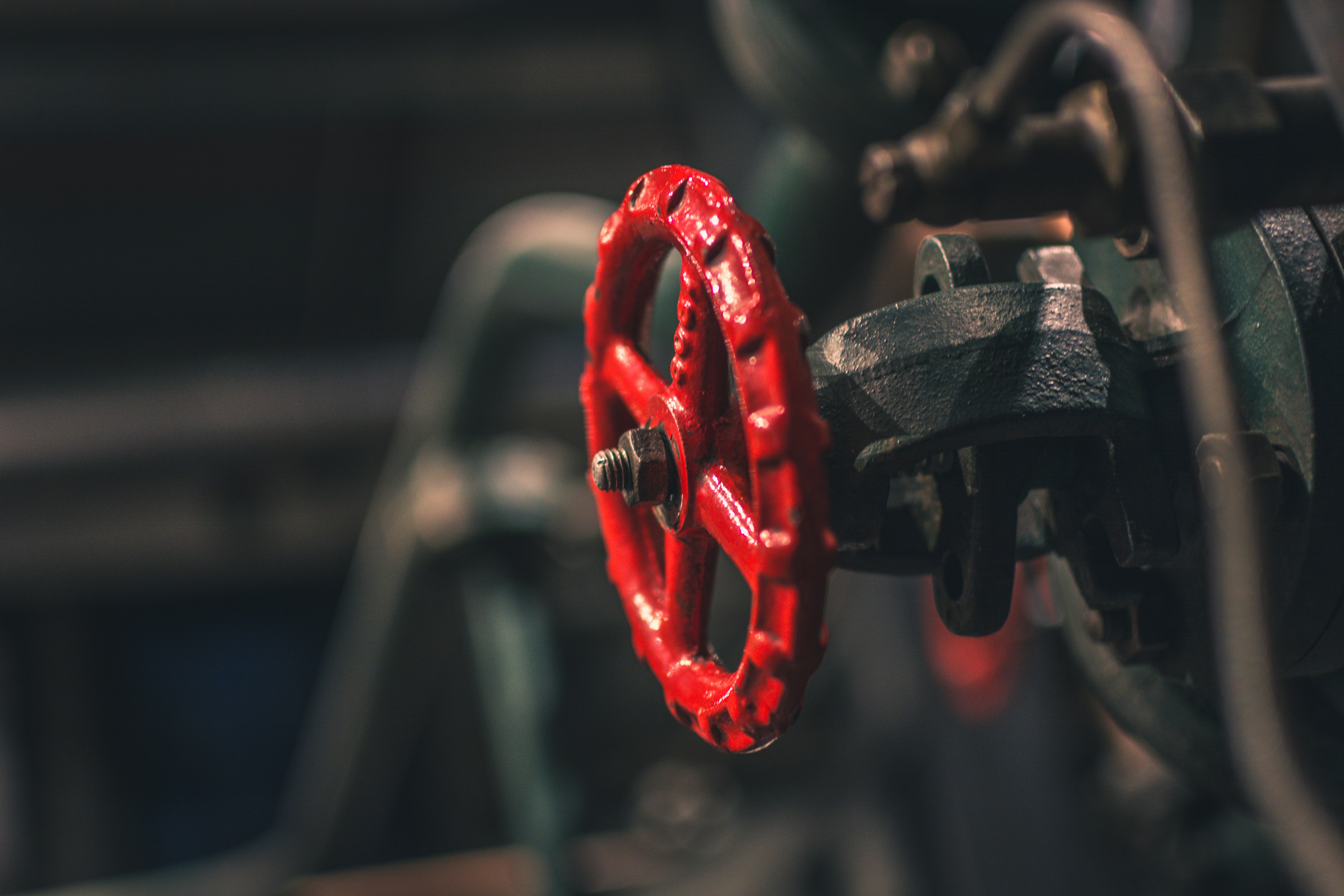
A gate valve controls flow using a flat wedge, the “gate,” that slides up and down across the pipe. When the gate is fully lifted, the valve gives a clear, full-bore opening, so water, slurry or other media pass through with very little resistance or pressure drop. When the gate is lowered, it seals the line tight. Because the sealing surfaces sit out of the flow path when the valve is open, they are protected from the wear that fast-moving media can cause.
The trade-off is speed. Gate valves are designed to open and close gradually, which makes them excellent for isolation but poorly suited to rapid on-and-off duty. That slow, controlled closure is actually a feature. In large-diameter pipelines it helps prevent water hammer, the destructive pressure surge that can crack pipes and fittings. It is also why you will often see gate valves on lines that sit open for long stretches and are only occasionally closed for maintenance or shutdown.
A quick note on stems: “non-rising stem” valves open and close without the handle assembly getting taller, which makes them ideal for underground pits or tight spaces. “Rising stem” designs let you see at a glance whether the valve is open or shut, which is handy for fire and safety-critical lines.
Gate valve, ball valve or butterfly valve?
A common and costly mistake is buying the wrong valve type for the job. Each style is built for a different priority, so it helps to know where the gate valve fits:
- Gate valves are best for isolation, where you need a dead-tight seal and full flow when open. They suit lines that stay open for long periods and only occasionally need closing.
- Ball valves suit rapid shut-off, where a quick quarter-turn on or off is what you need.
- Butterfly valves often win on larger line sizes for general flow control, where space and cost matter more than a perfect seal.
If your priority is reliable isolation on a water main, a fire service line or an industrial process, the gate valve is usually the right call.
Resilient seated vs metal seated
Once you have settled on a gate valve, the next decision is the sealing style, and it has a big effect on where the valve can be used.
Resilient seated gate valves have a wedge fully encapsulated in rubber, usually EPDM. The rubber deforms against the valve body to give a “bubble-tight” seal, even if a little grit is in the line, and the flat bottom means there is no pocket for debris to collect. These are the modern standard for water and wastewater, irrigation mainlines and fire protection systems. The catch is that rubber has temperature and chemical limits, so the media needs to be compatible.
Metal seated sluice valves use precision-machined brass or stainless rings for a metal-to-metal seal. They handle high temperatures and abrasive media that would tear a rubber seat, which is why they show up in mining, slurry and steam applications. They are the rugged choice for harsh, heavy-industrial service where a soft seal would quickly fail.
Choosing the right body material
The body material balances mechanical strength against the corrosiveness of whatever is flowing through it. Matching the material to the media is the single biggest factor in how long your valve will last. The three you will see most often around Sydney are:
- Ductile iron is the high-strength workhorse for municipal water, fire mains, irrigation and buried infrastructure. Correctly epoxy-coated, it shrugs off soil corrosion and needs almost no external maintenance.
- Stainless steel (316 grade) is the choice for aggressive chemicals, saltwater and coastal environments, desalination and food processing. It resists the pitting and crevice corrosion that would quickly degrade iron.
- Brass and bronze valves are lighter and cost-effective for smaller lines, general plumbing and agricultural or livestock watering systems.
Get the size and standard right
Two specifications will save you a lot of grief when ordering or replacing a valve:
- DN and PN. DN (Diameter Nominal) and PN (Pressure Nominal) describe the bore size and pressure rating. A replacement valve needs to match the existing pipework exactly.
- Face-to-face dimension. This is the length from flange face to flange face. “Short pattern” and “long pattern” valves exist within the same diameter and are not interchangeable in fixed-length piping, so measure before you buy.
In Australia, look for compliance with the relevant AS/NZS standards, for example AS 2638.2 for ductile iron valves and AS 2419 for fire service. It is also worth confirming whether your network uses the standard “clockwise to close” convention or the “clockwise to open” setup used by some water authorities, because the internal stem threading is physically different and cannot be reversed.
Do you need automation?
Most gate valves are operated by hand, but on larger sites and remote installations you may want electric or pneumatic actuators so valves can be opened and closed automatically or controlled from a distance. If that is on your roadmap, check that the valve comes with standardised mounting flanges, which makes fitting an actuator far simpler later on. A supplier who can assemble and torque-test an actuated package for you removes a lot of guesswork.
A quick buyer's checklist
Before you commit, run through these questions:
- What am I isolating? Potable water, wastewater, slurry, chemicals or a fire service line?
- What temperature and pressure will the valve see?
- Resilient or metal seated for that media?
- Which body material suits the environment, iron, stainless or brass and bronze?
- Do the DN, PN and face-to-face dimensions match my existing pipework?
- Does it meet the relevant Australian Standard?
Where to buy locally
You do not have to figure all of this out alone. A good supplier will talk you through media compatibility, pressure class and sizing before you spend a cent, and will make sure a replacement valve drops straight into your existing pipework without modification.
Western Sydney is well served here. Fox Global, based in Cranebrook and Australian-owned since 2000, stocks an extensive range of gate valves in brass, bronze, cast iron and stainless steel, and positions itself as a technical adviser rather than just an order-taker. For local trades, builders and facility managers, having that expertise close to home, with fast delivery across Sydney and beyond, takes a lot of the risk out of getting the specification right.
Choose the valve that matches the job, confirm it meets the standard, and lean on supplier expertise when you are unsure. Get those three things right, and your gate valve will keep doing its quiet, critical work for decades.