How Much Does a Second-Storey Addition Cost? A Practical Budgeting Guide for Homeowners
Contributors

Breaking News

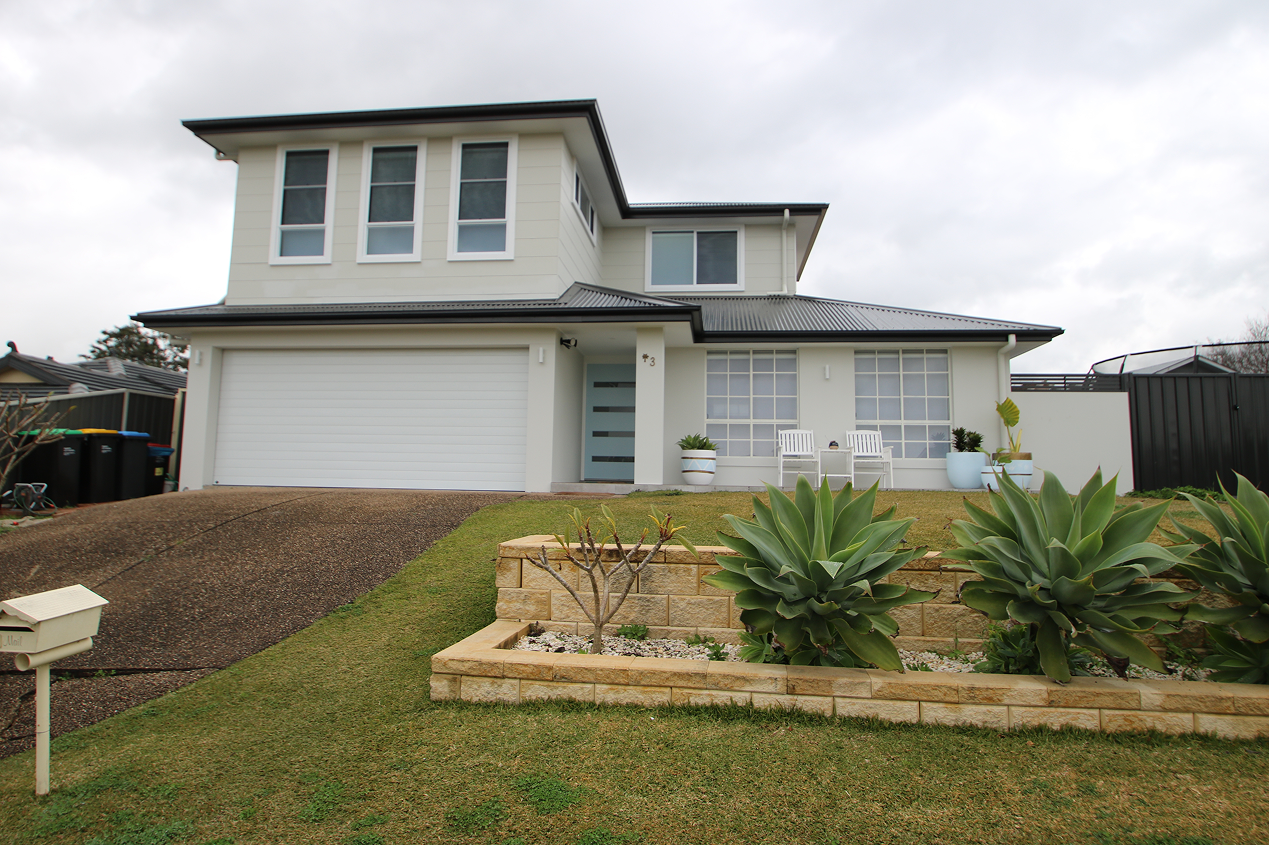
For homeowners who love their neighbourhood but have outgrown their floorplan, building upwards is one of the most popular ways to gain space without sacrificing location. Adding a second level can transform a tight three-bedroom home into a generous family residence, often for less than the combined cost of selling, buying and moving. Still, before any plans are drawn up, the first question on most people's minds is the same: how much will it actually cost?
This guide breaks down the real costs involved in adding a second storey to an Australian home, what drives the price up or down, and how to budget with confidence.
What Influences the Cost of a Second-Storey Addition?
No two upper-floor builds are identical, which is why headline cost figures can vary so dramatically. Several factors directly shape the final price, including:
- The size of the addition (square metres added)
- The structural integrity of the existing home and whether reinforcement is required
- The complexity of the design, including roof pitch, balconies, and stairwell placement
- The quality of finishes, joinery, fixtures and fittings selected
- Site access, including how easy it is for trades and materials to reach the upper level
- Local council requirements, especially in heritage or bushfire-prone zones
A simple, well-planned upper level on a structurally sound home will always cost less than an ambitious design layered on top of an older property that needs strengthening.
Typical Cost Ranges in Australia
While prices vary by region and project scope, most Australian homeowners can expect a second-storey addition to fall somewhere between $3,000 and $6,000 per square metre. A modest two-bedroom upper level might land between $250,000 and $400,000, while larger or more architectural builds can climb above $600,000.
These figures usually include structural works, framing, roofing, plumbing, electrical, insulation, plasterboard, painting and standard fixtures. They do not always include design fees, council approvals, landscaping, or premium upgrades, which is why scope clarity is so important when comparing quotes.
The Hidden Costs Many Homeowners Forget
A common mistake when budgeting for a major renovation is focusing only on the build itself. Several other expenses can quietly inflate the total, so it pays to factor them in early. The most common ones include:
- Architectural and engineering fees, often 5 to 12 percent of the build cost
- Council development applications, certifier fees and inspection charges
- Temporary accommodation if the home is uninhabitable during works
- Storage and removal costs for furniture and belongings
- Service upgrades, such as a new switchboard, hot water system or stormwater drainage
- Landscaping repair after construction traffic has affected the yard
Building a 10 to 15 percent contingency into your budget is the simplest way to stop these extras from derailing the project.
How to Budget Smartly Without Overcapitalising
Spending wisely on a second storey means matching the investment to the home's location and long-term value. A useful guideline is to keep the renovation cost within 30 to 40 percent of the property's current value, particularly if you plan to sell within the next decade.
A few strategies that consistently help homeowners stay on track include:
- Locking in a fixed-price contract rather than a cost-plus arrangement
- Asking for an itemised schedule of payments tied to construction milestones
- Choosing mid-range finishes in low-visibility areas and saving the premium products for kitchens, bathrooms and main living spaces
- Getting at least two detailed quotes from licensed builders with proven experience in upper-level work
The cheapest quote is not always the safest one. Quotes that seem unusually low often leave room for variations and add-ons that surface mid-build, pushing the final figure well past the original estimate.
Why Adding Up Often Beats Moving Out
When you compare the all-in cost of upsizing to a larger home, including stamp duty, agent fees, conveyancing, removalists and renovations to a new property, building upwards starts to look very competitive. Stamp duty alone in New South Wales on a $1.5 million home sits north of $65,000, before any of the other moving costs are factored in.
For families settled in a good school zone or close to work, well-planned second-storey additions can deliver the extra bedrooms, bathrooms and living spaces they need while preserving the lifestyle they already love. Done well, the project also lifts the long-term resale value of the property, often returning a healthy portion of the build cost when the time comes to sell.
Final Thoughts on Planning Your Budget
A second storey is one of the largest investments a homeowner can make in their property, but it does not need to be a stressful one. The most successful upper-level builds tend to start the same way: a clear brief, a realistic budget with contingency, a contract that protects both parties, and a builder who has completed this kind of work many times before.
Take the time to compare quotes properly, ask plenty of questions, and make sure every cost you can foresee is captured in writing. With the right preparation and the right team, building upwards can give your family the space it needs, in the home you already love.