How to Choose the Right Blinds for Your Nepean Home: A Local's Guide
Contributors

Breaking News



Western Sydney homes need to work harder than most. Between the long, dry summers that push temperatures past 40°C in Penrith and the chilly mornings that roll off the Blue Mountains in winter, the wrong window coverings can leave your living room feeling like a greenhouse one season and a draughty cave the next. If you live in the Nepean region, choosing the right blinds is less about following a trend and more about matching the product to the climate, the architecture, and the way your family actually uses each room.
This guide walks through what to think about before you book a measure and quote, so you end up with blinds that look good, perform well, and last.
Start with the climate, not the catalogue
The Nepean Valley sits in one of the hottest pockets of Sydney. Summer afternoons regularly hit the high thirties, and west-facing rooms cop the brunt of the late sun. That alone changes the conversation about window coverings.
Block-out fabrics in west-facing bedrooms make a real difference at bedtime, especially during daylight saving when the sun stays high until 8pm. Light-filtering or sunscreen rollers in living areas reduce glare without making the room feel closed in. Honeycomb (cellular) blinds trap a layer of air against the glass and can lift the thermal performance of a window noticeably, which matters in homes with large picture windows or sliders facing the backyard.
If your home is in a newer estate like Jordan Springs, Caddens, or Glenmore Park, you may have floor-to-ceiling windows or stacker doors that turn into heat traps. In those rooms, double roller systems (one block-out, one sunscreen) are worth the extra outlay. You get full daytime light control without sacrificing the ability to black the room out at night.
Match the style to the home
Nepean covers a wide mix of housing stock. There are heritage cottages tucked around Penrith and Emu Plains, project homes across Cranebrook and Werrington, and contemporary builds throughout the newer release areas. Each calls for a slightly different look.
For period homes, plantation shutters or Roman blinds in muted neutrals tend to suit the proportions of the windows and the higher ceilings. Modern builds with crisp lines often look best with simple roller blinds in tonal colours, or with sleek Venetians in aluminium or basswood. Open-plan living areas where the kitchen, dining, and lounge flow together generally feel calmer when you stick to one or two blind styles across the whole space, rather than mixing four different products.
A good rule of thumb: if you can name three different window treatments visible from the couch, you probably have one too many.
Know your blind types
There is no single "best" blind for every room. Each style has a job it does well.
Roller blinds are the workhorse. They are clean, affordable, and come in a wide range of fabrics from sheer to full block-out. They suit most rooms and most budgets, and they pair nicely with a pelmet if you want a more finished look.
Roman blinds add softness and warmth. They sit beautifully in bedrooms, formal lounges, and dining rooms where you want a more tailored feel. They are not the best choice for kitchens or bathrooms, where moisture and cooking grease can stain the fabric over time.
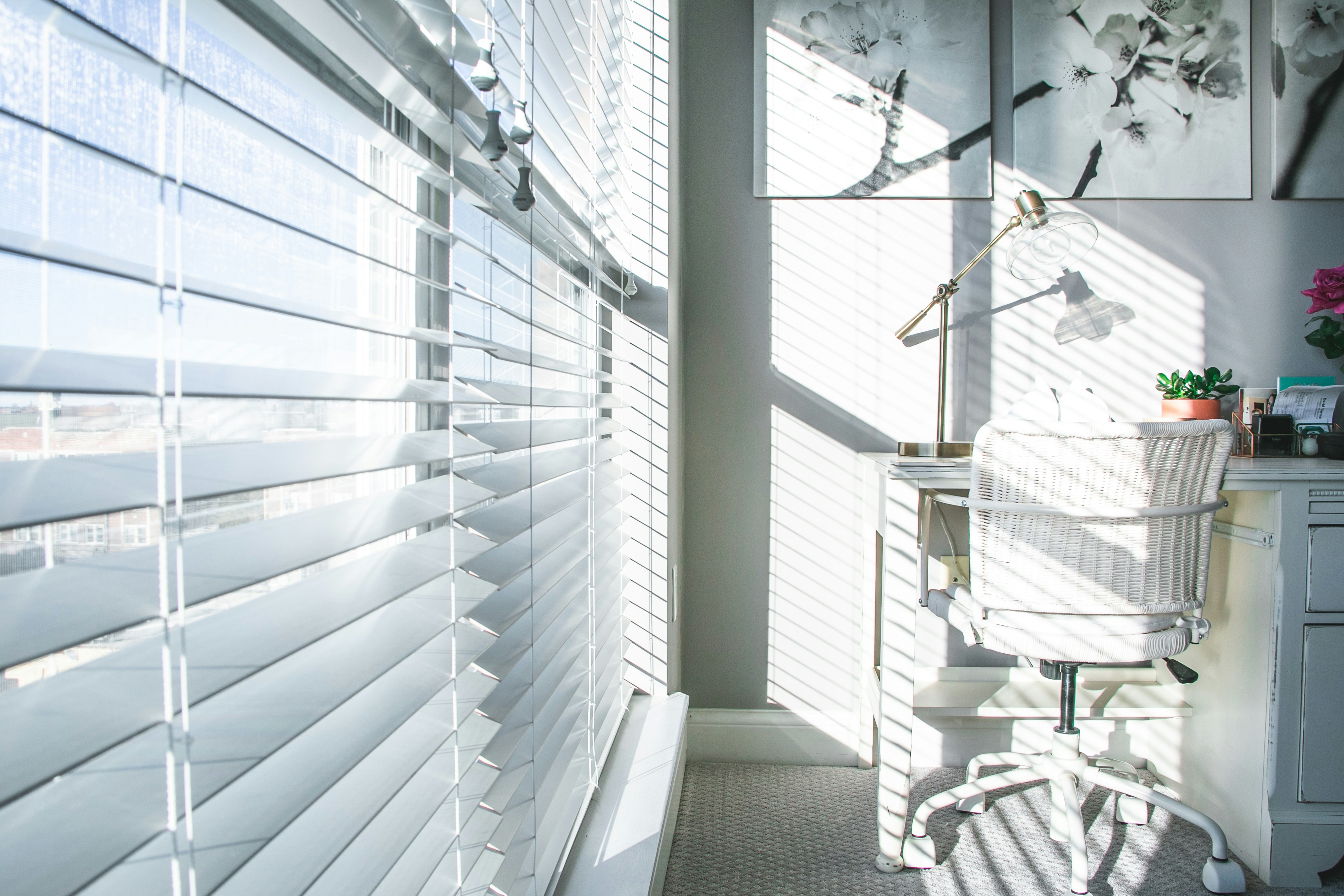
Venetian blinds give you fine control over light and privacy. Timber and faux-timber Venetians lend a relaxed, coastal-meets-Hamptons feel that works well in many Western Sydney homes. Aluminium Venetians are a practical pick for laundries and garages where durability matters more than aesthetics.
Vertical blinds are still hard to beat for sliding doors and very wide windows. Modern fabric verticals look far more refined than the dated PVC versions you may remember from the 90s.
Honeycomb blinds are the quiet achiever. They look minimal but offer the best thermal performance of any standard blind, which can shave dollars off summer cooling bills if you have lots of glass.
Don't skip the practical details
Once you have settled on a style, the small decisions are where projects either land well or go sideways.
Motorisation has come a long way and is no longer a luxury. Battery-powered roller blinds with a small remote or app control are a sensible investment in any room with high or hard-to-reach windows, particularly stairwell voids or above kitchen sinks. They also remove the cord, which neatens the look and ticks the safety box at the same time.
Child safety is non-negotiable. Australian Standards require cord-safe installations in any home where children live or visit, and a reputable installer will sort this without you needing to ask.
Fabric grade matters more than people realise. A cheap block-out fabric will fade, warp, or develop pinholes within a few summers under the relentless Western Sydney sun. Paying a little more for a quality fabric usually pays for itself in lifespan.
Use a local installer who actually visits
Online ordering is fine for a single window in a rental. For a whole-home project, a local installer who visits your property, measures correctly, and stands behind the install is worth every cent.
A specialist who works the area regularly will know which products hold up to the conditions, which colours suit the light in this part of Sydney, and how to handle the slightly out-of-square windows you often find in older Penrith and Emu Plains homes. They can also advise on warranties, lead times, and whether your strata or estate has any specific rules about external-facing colours.
Local family-run suppliers like Vision Blinds & Shutters offer a free in-home measure and quote across the region, and their team can talk through fabric samples, motorisation options, and timing in one visit. If you are weighing up a full home fit-out or just refreshing a few rooms, browsing the range of Nepean blinds available in your area is a useful starting point before any tradesperson sets foot in your hallway.
Final thoughts
The right blinds do more than dress a window. They quietly shape how comfortable, energy-efficient, and lived-in your home feels every day. Take the time to think through the climate, the architecture, and the rooms you actually spend time in, and lean on a local team who will help you make those decisions with confidence. Done well, it is a one-time investment that you will not need to revisit for many years.