How to Choose the Right Industrial Racking for Your Sydney Warehouse
Contributors

Breaking News



Sydney warehouses come in all shapes and sizes. From compact inner-west distribution hubs to sprawling logistics facilities out in Eastern Creek and Smithfield, every operation has its own storage challenges. Choosing the right industrial racking is one of the most important decisions a warehouse manager can make, because it affects everything from storage capacity and picking speed through to forklift safety and compliance with Australian Standards.
The good news is that the process becomes far more straightforward once you know what to assess. This guide walks through the key factors to weigh up before you invest, so you can make a confident choice that suits your warehouse, your stock, and your long-term operational goals.
Start with Your Warehouse, Not the Racking
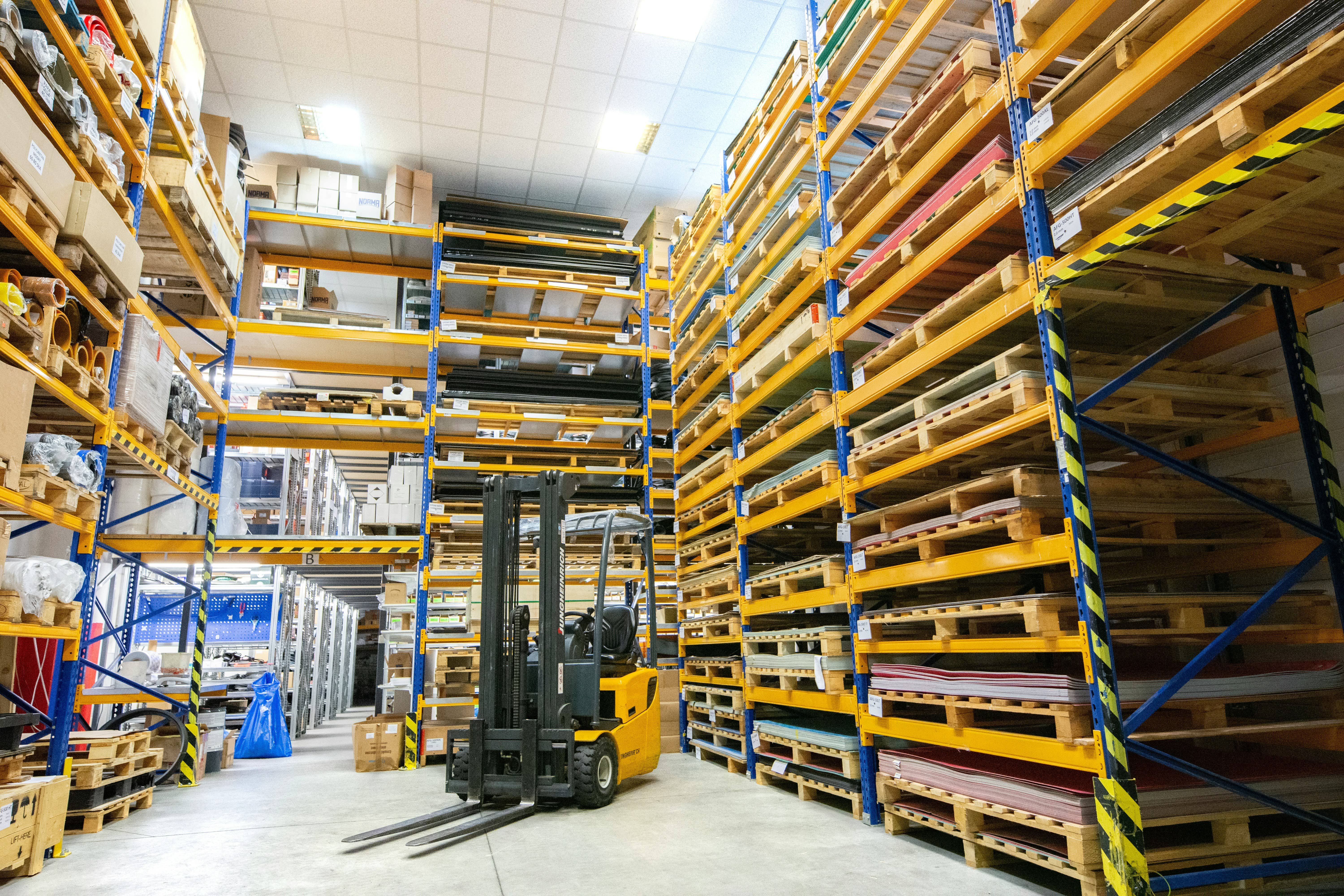
Before looking at specific racking systems, take stock of the space you are working with. Ceiling height, floor condition, clear aisle widths, column positions, and loading dock access all shape what is possible. A warehouse with 9-metre clearance opens up taller configurations and potentially a mezzanine, while tight columned spaces may rule out long beam spans.
You also need to understand your stock profile. How many SKUs do you carry? How often are pallets rotated? Are you handling fast-moving consumer goods, bulky building materials, or long items like timber and steel? The answers will point you toward very different racking types.
Forklift selection matters too. Counterbalance, reach, and narrow-aisle trucks all have different turning requirements, and the wrong combination of racking and handling equipment creates bottlenecks and damage.
Match the Racking Type to the Job
Industrial racking is not a one-size-fits-all product. Sydney warehouses typically use one or more of the following systems, often combined within a single facility.
Selective pallet racking is the most common option. It gives direct forklift access to every pallet, making it ideal for operations with a wide variety of SKUs and regular stock rotation. If visibility and accessibility are your priorities, selective racking is usually the right starting point.
Drive-in racking is designed for high-density storage of the same product. Forklifts drive directly into the bay, which maximises space but limits selectivity. It suits last-in, first-out operations like cold storage or bulk raw materials.
Push-back racking uses gravity-fed rails so pallets are loaded and retrieved from a single aisle. It delivers high density with better selectivity than drive-in and works well for operations that need first-in, first-out rotation.
Double deep racking stores pallets two positions deep. It strikes a useful middle ground when space is tight but stock volumes are high, provided you have a reach truck that can access the second position.
Cantilever racking is built for long, bulky, or irregular items such as timber, steel, piping, and sheet goods. Light, medium, and heavy-duty configurations cover most industrial applications.
Shuttle racking uses a motorised shuttle to move pallets within the lanes. It is a strong choice for high-throughput Sydney distribution centres looking to reduce forklift travel and improve efficiency.
Getting the mix right often means combining two or three systems. A well-designed layout might use selective racking for fast-moving lines, drive-in or push-back for bulk SKUs, and cantilever for awkward stock.
Don't Overlook AS 4084:2023 Compliance
Every industrial racking system installed in Sydney must comply with AS 4084:2023, the current Australian standard for adjustable steel storage racking. The 2023 edition introduced tighter requirements around floor fixings, upright protectors, load signage, seismic design, and inspections.
Two points are especially important. First, formal annual inspections by a competent person are now mandatory. Internal walk-throughs are no longer sufficient on their own. Second, every racking system must display clear rack load signs showing the maximum unit load per beam pair and any pallet type restrictions.
When you are comparing suppliers, ask for certified load ratings, installation compliance documentation, and evidence that the system is engineered to AS 4084:2023. New pallet racking from a reputable manufacturer meets these requirements from day one. Used racking can create compliance gaps, particularly if it was originally installed under the 2012 standard and lacks the updated safety features.
Factor In Future Growth
A racking system that fits perfectly today can quickly become a constraint if your business grows or your stock profile shifts. Before you commit, think about what your operation might look like in three to five years. Are you likely to add SKUs, increase pallet throughput, or expand into new product lines?
Modular systems with consistent beam and upright specifications make it far easier to add bays, change heights, or reconfigure layouts down the track. Sourcing components from a single manufacturer also protects you against compatibility headaches later on, because mixing brands and production runs can compromise structural integrity and make certification difficult.
Why Local Sydney Expertise Matters
Sydney has specific conditions that affect racking decisions. Coastal humidity in suburbs close to the harbour can accelerate corrosion, so hot-dip galvanised finishes are worth considering for exposed environments. Older industrial buildings in areas like Alexandria and Marrickville often have uneven floors or height restrictions that need careful design work. And seismic considerations under AS 4084:2023 vary by region.
Working with a supplier who installs industrial racking Sydney warehouses rely on means you get practical knowledge of local conditions alongside the technical expertise. A local team can assess your site, design around your constraints, and deliver an outcome that is tuned to your building, your stock, and your workflow.
A Practical Checklist Before You Buy
Use this shortlist to test whether a proposed racking solution is right for your warehouse:
- Does the system suit your stock profile and picking frequency?
- Is every component certified to AS 4084:2023?
- Does the layout accommodate your forklift type and aisle requirements?
- Are load ratings documented and displayed on clear rack load signs?
- Can the system be expanded or reconfigured as your business grows?
- Does the supplier offer annual inspections and ongoing maintenance?
If the answer to any of these is unclear, keep asking questions. A reliable racking supplier will welcome the scrutiny and walk you through the detail.
The Bottom Line
Choosing industrial racking for a Sydney warehouse is as much about planning as it is about product. The right system protects your team, optimises your space, and gives your business room to grow. Taking the time to assess your warehouse, match the racking type to your operation, and confirm compliance with current Australian Standards puts you in a strong position to make a decision you will not regret. When the stakes include workplace safety and the long-term performance of your facility, that careful upfront work pays for itself many times over.