7 Signs Your Business Needs New Data Cabling
Contributors

Breaking News



Most business owners don't think about their data cabling until something goes wrong. It sits quietly behind the walls, doing its job year after year, until suddenly your team is complaining about dropped calls, frozen screens, and a network that feels slower than the dial-up days. By the time you notice, poor cabling has already been chewing through your productivity for months.
If you rely on your network for phones, computers, point of sale systems, or cloud software, your data cabling is one of the most important, and most overlooked, investments in your business. Here are seven signs it might be time to look at an upgrade.
1. Your internet is fast on paper but slow in practice
You're paying for NBN Business Fibre or a dedicated fibre connection, but Teams meetings still buffer, large files take forever to upload, and your staff are losing patience. Even the fastest internet plan in the country can't do much if the cables inside your walls can only handle a fraction of that speed. If your building still runs on Cat5 or early Cat5e cabling, you're almost certainly bottlenecking the connection you're paying for.
2. You're getting dropouts and intermittent issues
Random disconnections, devices that lose the network for no obvious reason, phones that cut out mid call. These issues are frustrating at best and a real productivity problem at worst. Intermittent faults often point to damaged cables, poor terminations, or connections that have loosened over time. Cabling doesn't last forever, and the wear and tear of daily business use eventually takes a toll.
3. Your cabling is more than 10 to 15 years old
Data cabling has a practical lifespan of around 10 to 15 years before it starts to fall behind what modern business equipment needs. If your office fit out dates back to the early 2010s or earlier, your cabling was designed for a very different world. Back then, nobody was running 4K video conferencing, cloud backups, VoIP phone systems, and multiple wireless access points on the same network. Today, they're standard.
4. Your business has grown, but your network hasn't
Adding staff, desks, or equipment to an existing network can quickly push it beyond what it was designed for. You might have started with a handful of workstations and now have twenty, along with printers, EFTPOS machines, security cameras, and a growing list of connected devices. When new gear gets plugged into old infrastructure, performance suffers. A proper data cable installation is planned to scale with your business, rather than being patched together as you go.
5. You're moving to VoIP, cloud, or unified comms
If your business is shifting phones to VoIP, moving files to the cloud, or rolling out a unified communications platform, your cabling has to be up to the task. Older cable runs often can't deliver the bandwidth or the Power over Ethernet capability that modern IP phones, cameras, and wireless access points rely on. Trying to run new technology over old cabling is one of the fastest ways to turn an exciting upgrade into a stressful headache.
6. Your comms cabinet looks like spaghetti
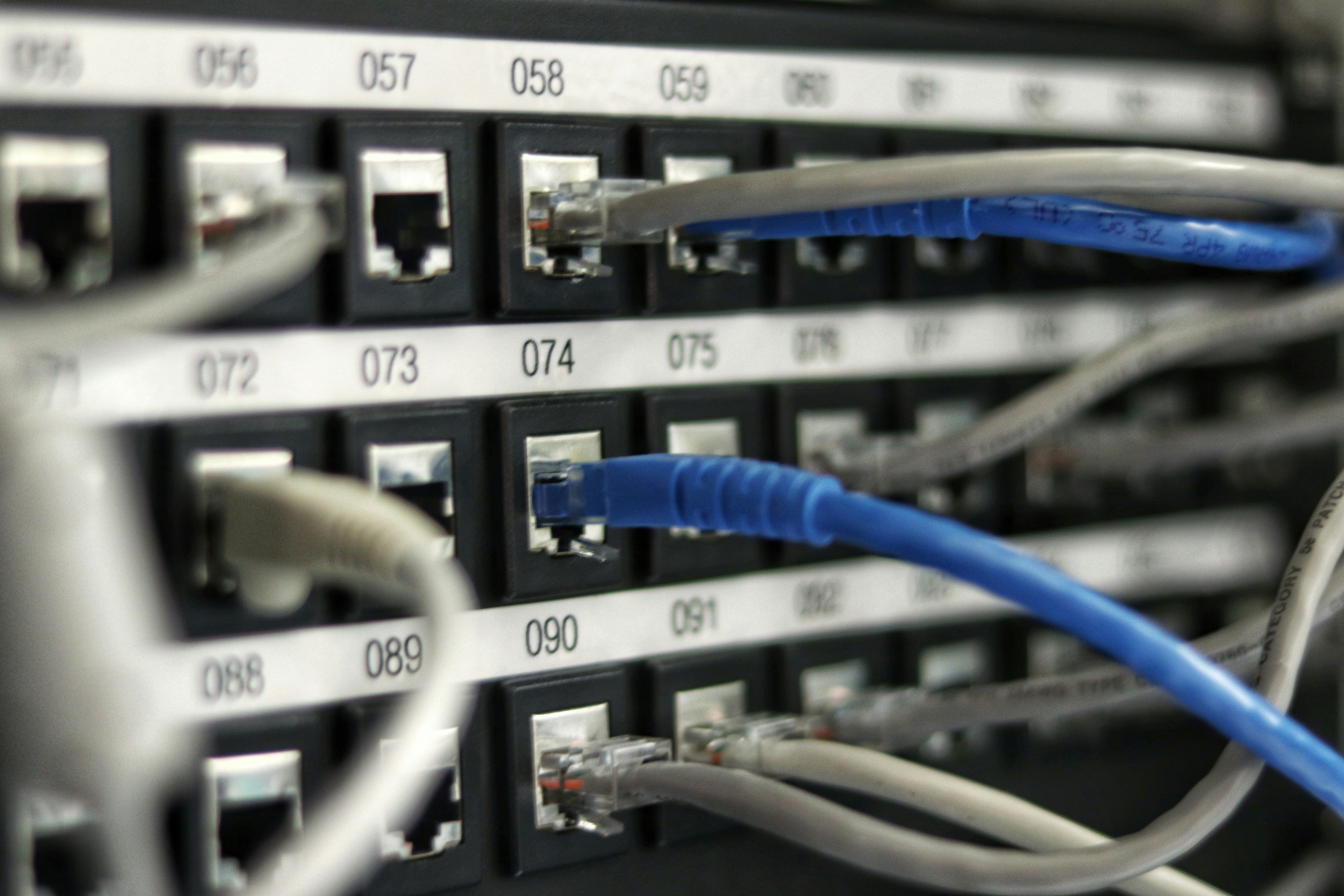
Take a look inside your comms cabinet or behind your desks. If the cabling is tangled, unlabelled, and held together with cable ties and hope, it has been added to over the years without proper planning. Messy cabling makes faults harder to diagnose, creates heat and airflow problems, and increases the risk of someone pulling the wrong cable at the worst possible time. A tidy, well documented install saves hours every time something goes wrong.
7. You're renovating or fitting out a new space
Renovations, office expansions, and new tenancies are the ideal time to install or upgrade data cabling. It's far easier, cheaper, and less disruptive to run new cables before walls are closed up and furniture is in place. If you're planning any building work in the next six to twelve months, factor cabling in early. The last thing you want is to finish a beautiful new fit out only to discover the network can't keep up on day one.
What to look for in a professional installer
Data and communications cabling in Australia must be installed by someone who holds an Open Cabler Registration under ACMA rules. That's the legal requirement, but there's more to it. A good installer will assess your current setup, ask about your plans for growth, recommend the right cable category for the job (typically Cat6 or Cat6a for most modern business environments), terminate everything neatly, test every run, and document the install. It's also worth asking for a workmanship guarantee. Quality cabling should last well over a decade, and any reputable installer should be willing to stand behind their work.
The bottom line
Data cabling isn't the most exciting line item in your business budget, but it's one of the few that touches almost everything you do. Slow networks cost real money in lost productivity, missed calls, and frustrated staff. If two or more of the signs above sound familiar, it's worth getting a professional to take a look. A small investment today can save years of headaches down the track, and it sets your business up to handle whatever technology you throw at it next.