Carrara Marble in Australian Homes: Selection, Sourcing, and Installation Tips
Contributors

Breaking News


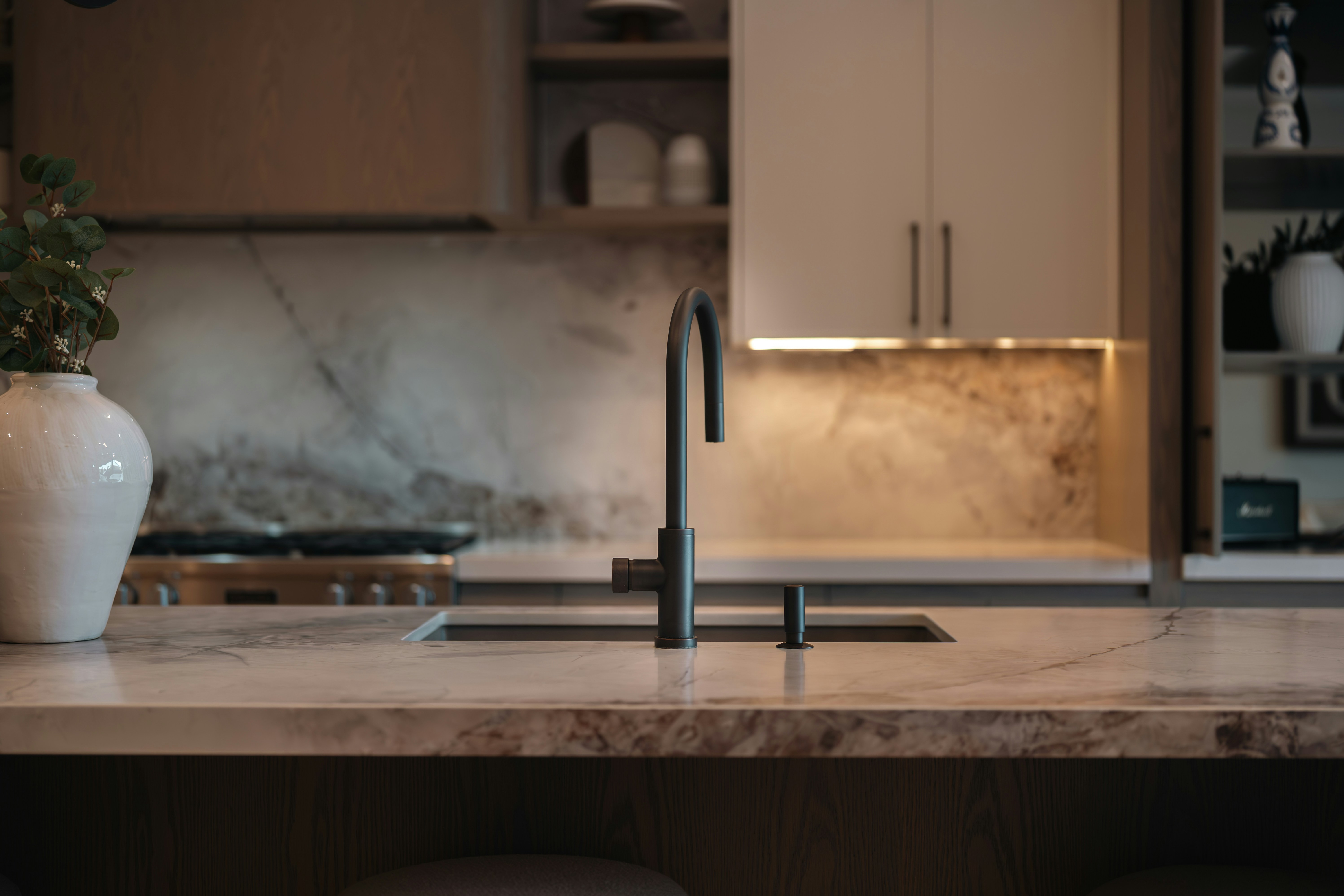
Few materials carry the timeless elegance of Carrara marble. Quarried from the Apuan Alps in Tuscany, Italy, this classic stone has graced everything from ancient Roman architecture to modern Australian kitchens and bathrooms. Its soft grey veining against a luminous white base makes it one of the most sought-after natural stones in the world.
If you are a homeowner planning a renovation or a builder specifying materials for a new project, here is what you need to know about selecting and working with Carrara in Australian conditions.
Understanding Carrara Marble: What Sets It Apart
Carrara marble is known for its fine crystalline structure, which gives each slab a refined, almost translucent quality. Compared to bolder Italian marbles like Calacatta, Carrara offers a more understated look. Its veining is softer and more subtle, making it versatile across a range of interior styles, from coastal Hamptons homes to sleek contemporary apartments.
This subtlety is what makes it so popular in Australian interiors. It pairs beautifully with timber cabinetry, neutral palettes, and the natural light that Australian homes enjoy.
How to Select the Right Carrara Marble Slabs
Not all Carrara is created equal. When visiting a stone gallery to view Carrara marble slabs, there are several things worth paying close attention to.
- Veining consistency: Every slab is unique, but you want veining that complements the space. For a kitchen island or long bathroom vanity, choose slabs with a balanced, flowing pattern that will not feel too busy across a large surface. If you are bookmatching for a feature wall or splashback, inspect how the veining mirrors when two slabs sit side by side.
- Background tone: Carrara marble ranges from bright white to a softer blue-grey. Consider your cabinetry, wall colours, and lighting when selecting your base tone. A cooler, grey-toned Carrara works beautifully in bathrooms with chrome fixtures, while a warmer white base suits timber and brass accents in kitchens.
- Finish type: Honed Carrara has a smooth, matte surface that hides minor etching better than polished finishes. Polished Carrara is more reflective and highlights the stone's depth, but it can show wear more readily in high-traffic areas. For kitchen benchtops, a honed finish is often the more practical choice in Australian homes where the kitchen sees heavy daily use.
- Slab dimensions and thickness: Standard slabs typically come in 20mm thickness, with lengths ranging from around 2,900mm to 3,400mm. Think about your benchtop layout and whether you can achieve a seamless look or will need joins. A good supplier will help you plan slab placement to minimise visible seams.
Choosing Carrara for Kitchen Benchtops
The kitchen is where Carrara marble truly shines as both a functional and beautiful surface. When selecting marble kitchen benchtops, keep a few practical considerations in mind.
Carrara is a natural stone, which means it is porous. Sealing your benchtop before use, and resealing it periodically, is essential for long-term performance. A quality impregnating sealer will create a barrier against moisture and staining without altering the stone's appearance.
Acidic substances like lemon juice, vinegar, and wine can etch the surface if left to sit. This does not mean Carrara is impractical for kitchens. It simply means developing good habits, like wiping up spills promptly and using cutting boards. Many homeowners find that the character Carrara develops over time is part of its appeal, giving the stone a lived-in warmth that engineered surfaces cannot replicate.
For kitchen islands, consider pairing a Carrara benchtop with a waterfall edge. This showcases the veining flowing from the horizontal surface down to the floor, creating a striking focal point.
Working with Carrara in the Australian Climate
Carrara marble is best suited to interior use, where it is protected from prolonged UV exposure and temperature extremes. In covered alfresco areas it can work well, but always consult your stone supplier about suitability for your specific location.
Humidity in coastal regions like Sydney can affect porous stones over time. Proper sealing and adequate ventilation around bathroom installations will help your Carrara maintain its beauty for decades.
Practical Tips for Installation and Maintenance
- Work with experienced fabricators: Carrara requires skilled handling during cutting and installation. Ask your supplier for fabricator recommendations, as the quality of templating and fitting makes a real difference to the final result.
- Seal before grouting: If your project involves Carrara tiles for bathroom walls or flooring, seal the marble before grouting. This prevents grout from staining the stone's surface during installation.
- Clean gently: Use pH-neutral cleaners designed for natural stone. Avoid harsh chemicals and abrasive scrubbers. A soft cloth and warm water will handle most daily cleaning.
- Reseal regularly: Depending on usage and the sealer product, plan to reseal your Carrara marble every 12 to 24 months. Your fabricator or stone supplier can recommend the best schedule based on your specific application.
Bringing It All Together
Carrara marble remains one of the most elegant choices for Australian homes. Its soft veining, timeless appeal, and versatility make it a worthwhile investment for kitchens, bathrooms, and living spaces alike. The key is selecting the right slabs, working with experienced professionals, and committing to simple, consistent care.
Visit a specialist stone gallery to see full slabs in person, compare veining patterns, and get expert guidance tailored to your project. When chosen well and maintained with care, Carrara is a material that only grows more beautiful with time.